Open Source
concept
Open source is a development and distribution model in which the source materials — code, designs, data, or knowledge — are made publicly available for anyone to inspect, modify, and build upon. The term originated in software but has since spread to hardware, science, governance, and culture. The core principle is radical transparency: nothing is hidden behind proprietary walls, and anyone can audit, fork, or improve what exists.
For those building outside institutional structures, open source is a practical prerequisite for trust. Closed software demands that you trust the vendor; open source lets you verify. This is why encryption tools, secure communication protocols, and privacy-preserving technologies that cannot be independently audited are considered suspect regardless of the promises their developers make. FOSS (Free and Open Source Software) extends the model further by guaranteeing not just visibility but the legal right to fork, modify, and redistribute — ensuring that no single actor can capture and close off critical tools.
Open source is also a model of production that works without hierarchy or central coordination. Peer-to-peer collaboration on shared codebases has produced the infrastructure of the modern internet — Linux, OpenSSL, Tor, Signal — often with no corporate backing. This demonstrates a key principle of the parallel society: that complex, high-quality systems can emerge from voluntary cooperation among people who share goals but answer to no common authority. Open source is not idealism but a proven alternative to both corporate and state-controlled technology.
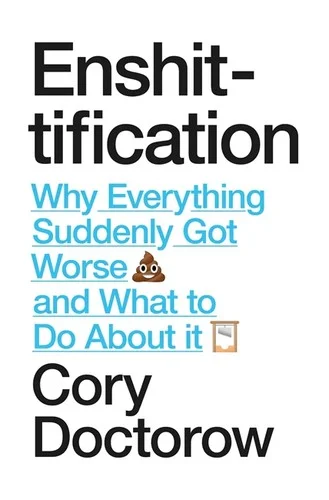
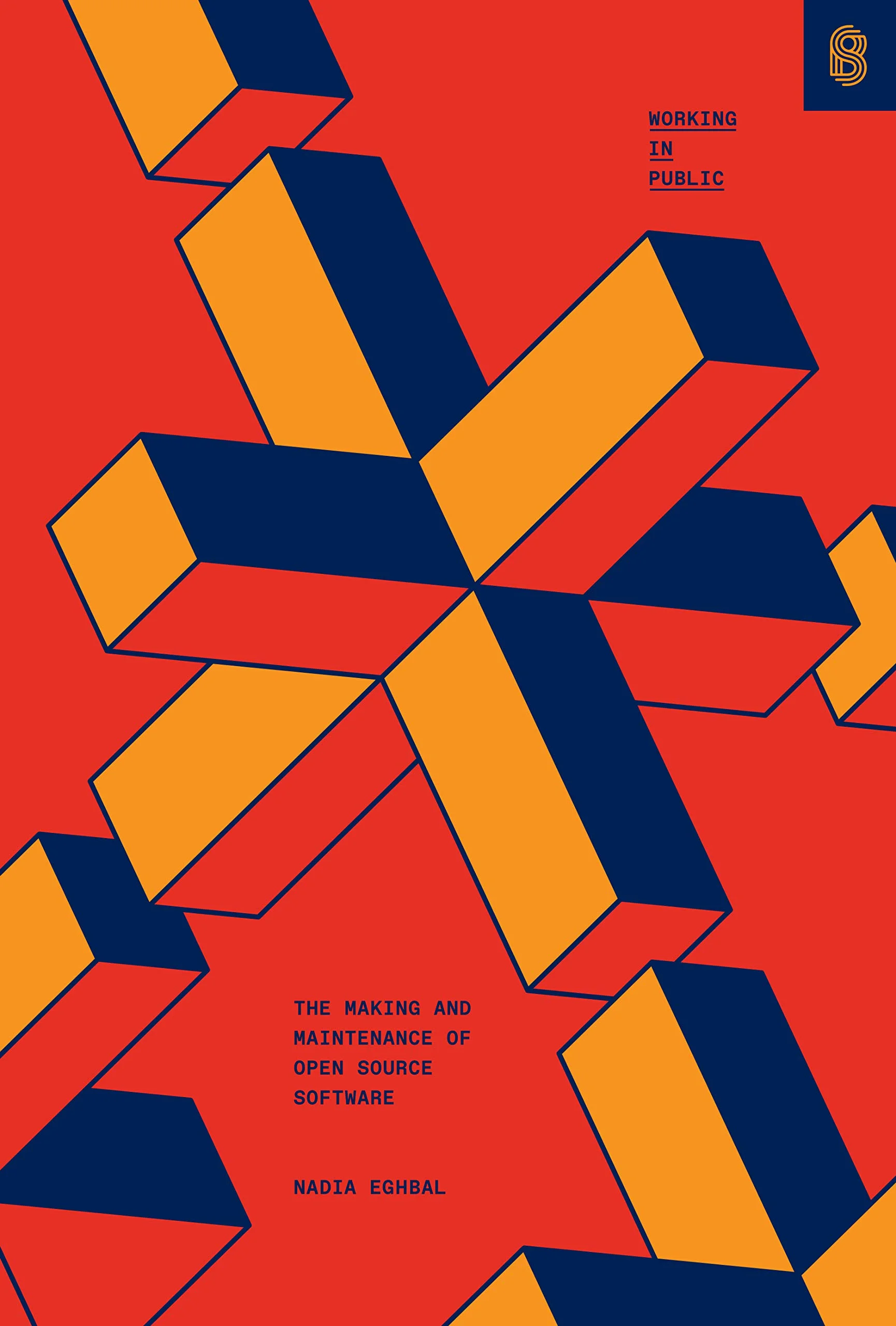
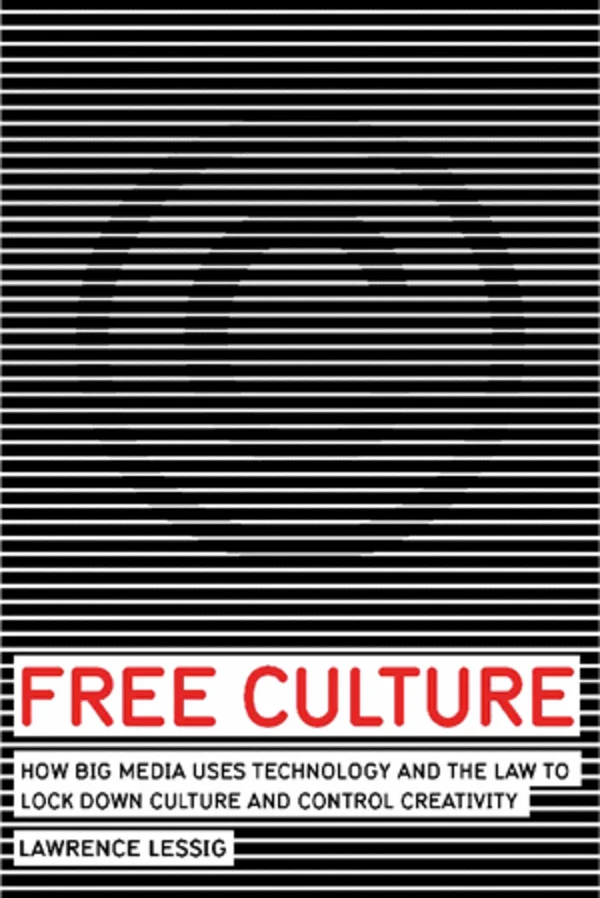
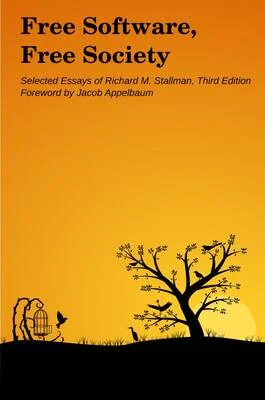
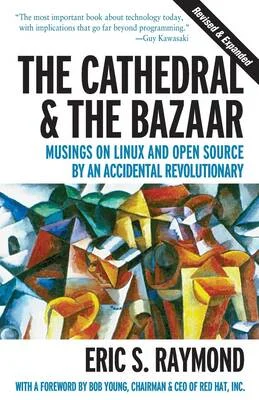
Books