Panopticon
concept · 1791
The panopticon is a prison design proposed by Jeremy Bentham in 1791 in which a single guard in a central tower can observe every inmate, without the inmates being able to tell when they are being watched. The power of the design rests on the possibility of observation: because inmates cannot verify whether they are seen at any given moment, they must behave as if they always are.
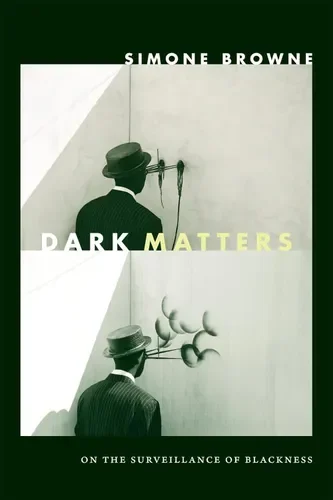
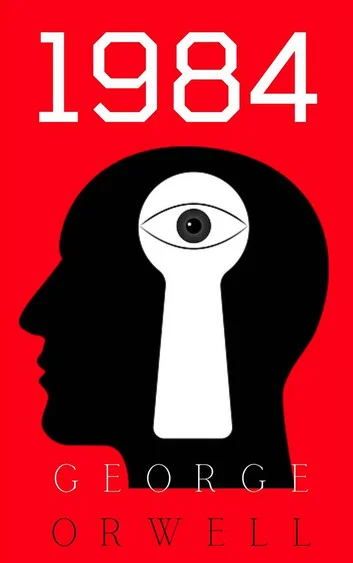
Michel Foucault's Discipline and Punish (1975) transformed the panopticon from an architectural curiosity into a general theory of modern power. The same logic, Foucault argued, governs schools, hospitals, factories, and armies: institutions that produce self-disciplined subjects by internalising the gaze of an authority that need not actually be present. The guard becomes the structure; the prisoner becomes the architect of his own constraint. The image has since become the canonical metaphor for any system producing compliance through the threat of unverifiable observation.
The digital panopticon is not a metaphor but a working description. Mass-surveillance infrastructure — metadata collection, interception, location tracking, behavioural profiling — produces exactly the conditions Bentham specified: the possibility of observation at any moment, which generates the chilling effect without anyone actually having to watch. Resistance has to dismantle the architecture rather than just the watchers. Encryption, anonymous communication, strong operational security, and decentralised systems each remove one of the conditions the panopticon requires, which is why the choice of communication and economic infrastructure is a political choice rather than a technical one.
Books