
Voluntary Association
concept
Voluntary association is the principle that legitimate social and economic cooperation arises only from the free choice of individuals who agree to participate, without coercion, fraud, or threat of violence. Any group, network, or institution built on this basis derives its authority entirely from the ongoing consent of its members; anyone who no longer wishes to participate is free to leave.
This stands in direct contrast to the defining feature of the state, which claims jurisdiction over individuals regardless of whether they have agreed to its terms. The practical implications reach into every layer of social organisation: rules are proposals rather than mandates, persisting only as long as enough participants find them worth following; leadership is contextual and revocable; membership is a live choice, not an inherited obligation. This is why voluntary association is foundational to heterarchical organisation — every relationship is, at bottom, chosen. DAOs, open-source communities, mutual-aid networks, and agorist arrangements are practical experiments in scaling it beyond small groups.
Critics argue that truly voluntary association is an ideal rather than a reality — that poverty, dependency, and asymmetric power make "voluntary" choices coercive in practice. This is a serious challenge that parallel-society builders take seriously: the goal is not merely formal voluntarism but the material conditions under which exit is genuinely possible. Self-sovereignty, economic alternatives like cryptocurrency and counter-economics, and open-source tools that can be freely forked are all part of making voluntary association real rather than nominal — giving people not just the theoretical right to leave, but somewhere to go.
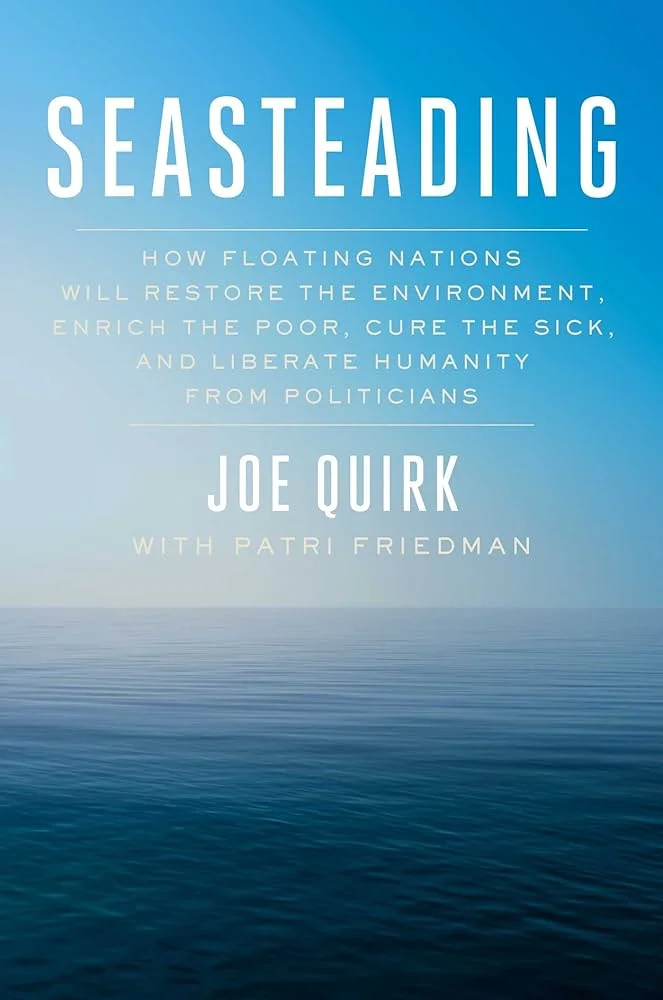
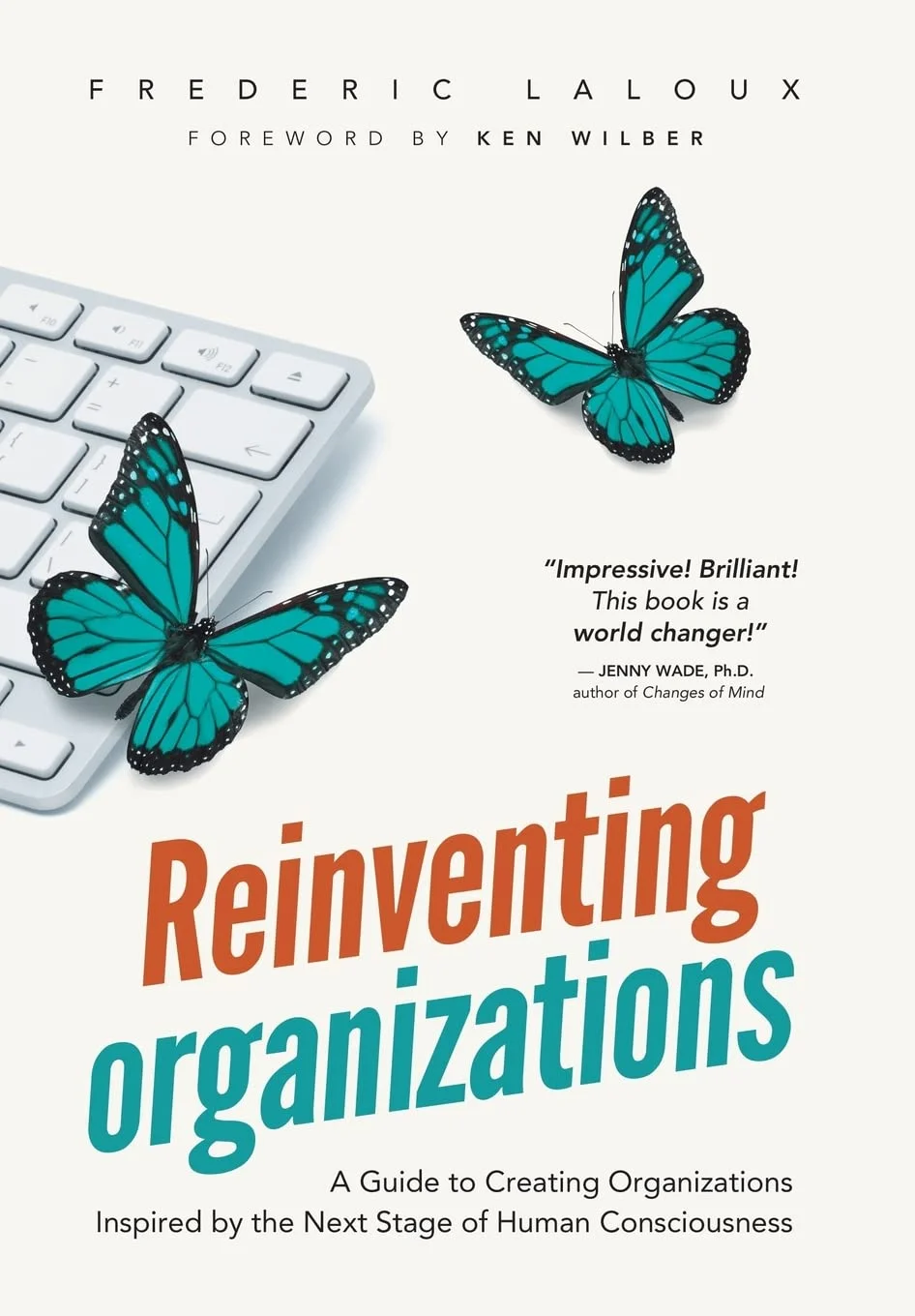
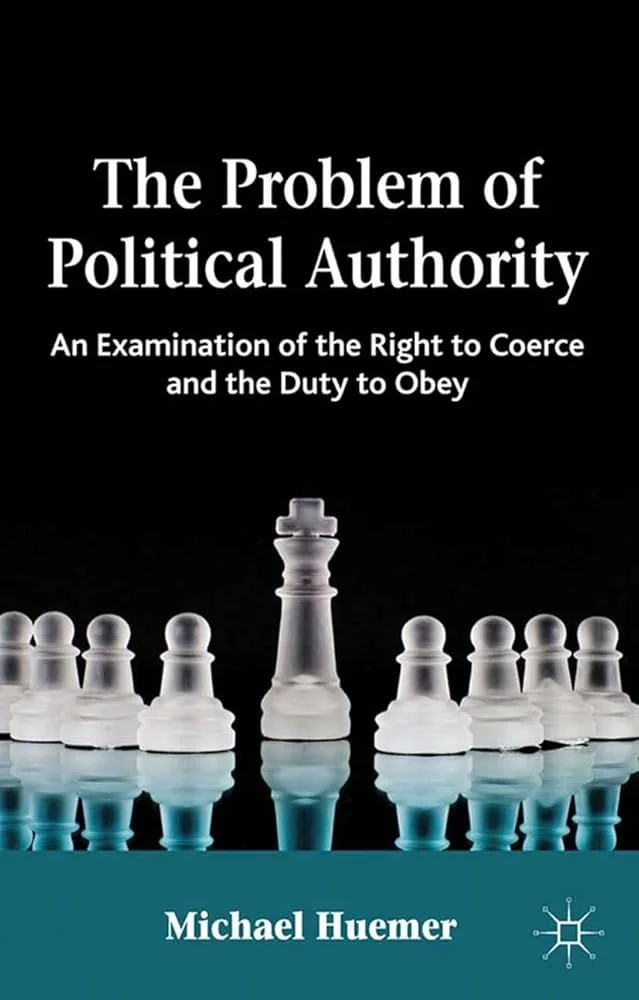
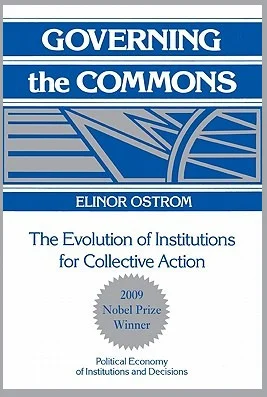
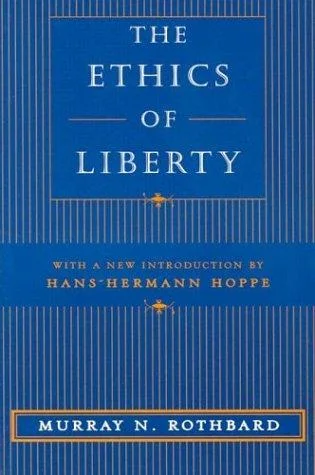
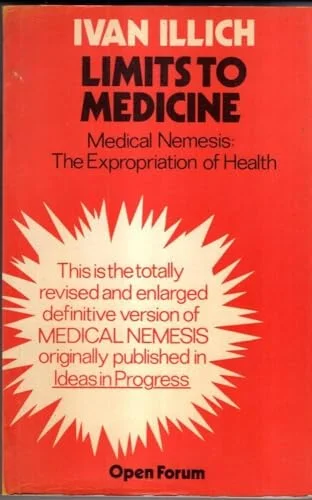
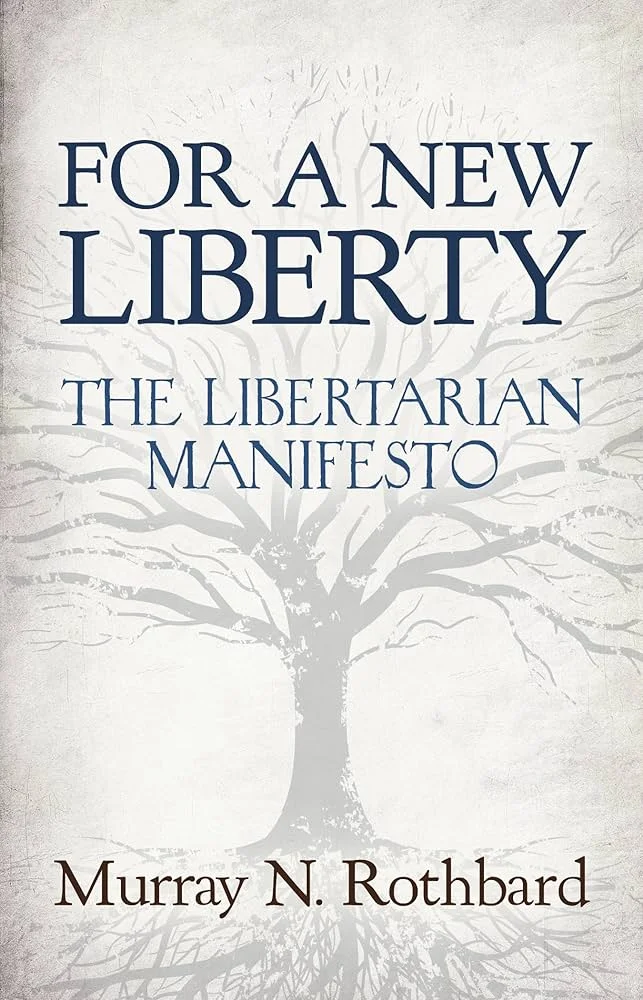
Books

writings